

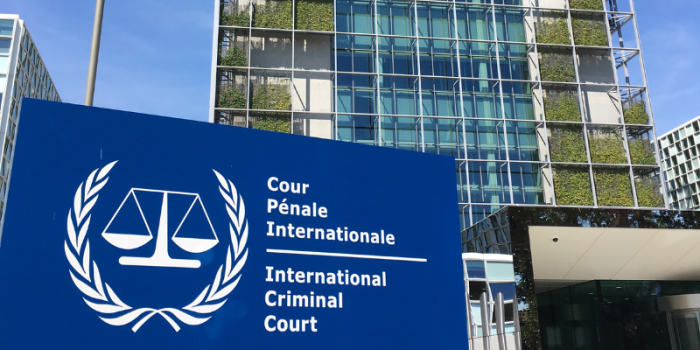
Photo: Justflix
In an urgent appeal submitted to 22 United Nations (UN) mandate holders and working groups, including the UN Special Rapporteur on the Independence of Judges and Lawyers, and on behalf of over 160 organisations and experts in the field, Al-Haq called for their intervention to protect the integrity and functioning of the International Criminal Court (ICC). Amidst a fresh wave of attacks against the institution, the 162 signatories outlined their serious concerns regarding the failure of the ICC, its Assembly of States Parties (ASP) – especially its Bureau – to coherently respond to disciplinary proceedings relating to the current Chief Prosecutor, Karim Khan.
The urgent appeal situates these developments within a wider pattern of sanctions and coercive measures directed at actors involved in ICC processes, including judges, prosecutors, and civil society organisations supporting the Court in exercising its jurisdiction, particularly in relation to investigations concerning the Situation in the State of Palestine.
Stressing that claims of sexual or other misconduct must be treated with the utmost gravity, respect, and professionalism, the urgent appeal equally stresses the importance of abiding by established legal procedures that uphold the due process rights of both claimant and respondent, and which prevent unlawful interference or political overreach in the administration of justice.
Rather than ensuring the integrity of proceedings, the disciplinary process in response to allegations against Prosecutor Khan has been reduced to a political referendum. Abandoning due process allows for the national interests of individual States Parties, including those with vested interests in shielding the perpetrators of an ongoing genocide, to undermine the legitimacy of the Court and the independence of the Office of the Prosecutor. A Position Paper published this month by the Norwegian Section of the International Commission of Jurists, attached to the urgent appeal, identifies the same concerns, highlighting the risk of future increased political influence over the Chief Prosecutor. More specifically, the paper underlines the importance of respecting the findings of the ICC-appointed independent and impartial panel of legal experts, which considered the situation in question and which had concluded that the allegations against the present Prosecutor had not been proven.
The broader consequences for the international legal order, caused by improper State interference in the functioning of the ICC, combined with the US led smear campaign and targeting of the foundations of the Court itself, cannot be overstated. Failure to protect the ICC and those cooperating with it, erodes confidence in multilateral institutions designed to uphold human rights, the rule of law and its promise of accountability.
The critical juncture at which the urgent appeal was sent – in which we are experiencing state-sanctioned attacks against civil society organisations and human rights defenders who play a central role in documenting violations, and in providing evidence to international accountability mechanisms –further supports the need for intervention by all relevant bodies and individuals committed to the universality of human rights and the rule of law.
Absent legal coherence and legitimacy, the Court will be stripped of the ability to uphold its mandate and deliver justice to the too many victims of international criminality – marking the beginning of the end of the project of international criminal justice.