

Photo: Dan Vernon
On 8 July 2026, Sadaka-The Ireland Palestine Alliance, and Al-Haq, a Palestinian NGO based in Ramallah in the West Bank, Palestine, sent letters with an annexed position paper to Board Members of the Football Association of Ireland (FAI). The letters and annex warned that the determination of the FAI, and its Board of Directors, to proceed with the planned Union of European Football Associations (UEFA) fixtures between the men’s national team and the Israel Football Association (Israel FA) in Autumn 2026 constitutes complicity in the most egregious violations of international law, including the crimes of apartheid and genocide. These crimes are also clear breaches of UEFA and the International Association of Football Federations (FIFA) Statute provisions on territory and non-discrimination, as well as breaches of Directors’ fiduciary duties under Section 228 of the Companies Act 2024.
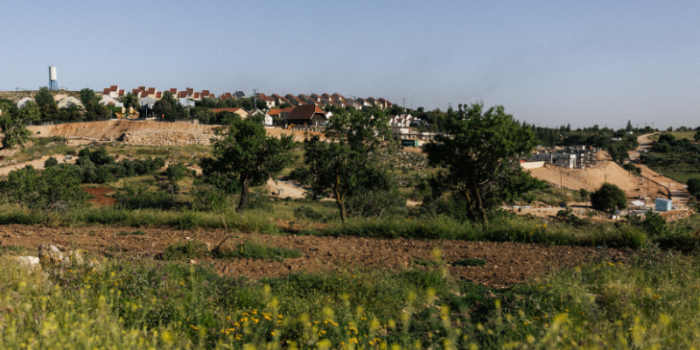
The Israel FA, through its incorporation of illegal settlement teams, is clearly responsible for ongoing breaches of UEFA and FIFA Statutes, and is materially complicit in Israel’s settlement crimes, as well as the crimes of apartheid and genocide. As detailed in the Annex attached, UN experts have stressed that international football associations carrying on business as normal with the Israel FA are liable for breaches of international law, including human rights law. Such liability extends also to individual FAI Board members as well as the association.
It is our view, and given the Palestine FA statement of 18 June 2026, that members of the FAI Board of Directors are presently exercising a wilful blindness in this regard. Directors’ obligations include respecting the FAI’s Objects of supervising compliance with FIFA and UEFA Statutes (3.2.2) and Principles which include respecting internationally recognised human rights and promoting the protection of these rights (5.1.2). We note that the planned fixture is also taking place in the absence of a members' vote on fulfilling the fixture, and despite widespread opposition to the fixture on the part of Ireland’s wider football community.
Approving fulfilment of the fixtures in this context risks complicity in international crimes, both on the part of the association and its directors, who may be individually and collectively liable for breaches of national law, including under the International Criminal Court Act 2026:
-
Breach of FIFA and UEFA statutes on the basis of recognising the Israel FA’s unlawful presence in illegal Israeli settlements on Palestinian territory;
-
Breach of political neutrality by endorsing FIFA’s political decision to deny the existence of the Palestine FA’s territory, a territorial status which has been authoritatively affirmed by the International Court of Justice;
-
Complicity in Israeli crimes of apartheid and genocide, as recognised by the International Court of Justice, such complicity constituting particularly egregious violations of |human rights, again as recognised by the ICJ, including the rights of non-discrimination, to self-determination, and to protection from apartheid and genocide;
-
Apartheid and genocide, as well as settlement-related crimes including the war crime of transfer of civilians into occupied territory, are criminal offences in Ireland under the International Criminal Court Act 2006, and the aiding and abetting, or a contribution in any other way, including by supporting the Israel FA’s settlement presence, may constitute a domestic criminal offence under the Statute;
-
Breaches of Section 228(1)(a-e, g & h) of the revised Companies Act 2014 by failing to satisfy the fundamental fiduciary duties of directors.
We call upon the FAI, through its board of directors, to ensure that its conduct is in line with its obligations under Irish domestic criminal and company law, that individual and corporate accountability applies to its decision-making and that the association respects the rule of international law.